
 630-260-9647


Recent Blog Posts
What Are the Penalties for Buying Stolen Property in Illinois?
 It is common knowledge that someone who steals property has committed theft. However, someone who buys or receives that stolen item can also be charged with a criminal offense. Purchasing or receiving stolen property is a serious crime that carries heavy penalties in Illinois, including fines and prison time. In today’s internet age, buying stolen goods is a much more frequent occurrence as people shop in online marketplaces. If you are facing charges of buying stolen property, contact an Illinois criminal defense lawyer right away to begin building your case.
What Is the Law in Illinois About Receiving Stolen Property?
Under Illinois statute 720 ILCS 5/16-1, theft not only means stealing property but also includes possession of stolen goods. If you receive or buy a stolen item, you can be charged with theft. However, one of the key criteria is that you must know or have reason to know the item was stolen. This can make certain cases of theft complex, especially with today’s online marketplaces.
Is AI-Generated Child Pornography a Crime in Illinois?
 As AI technology becomes mainstream, programs that can generate photos and videos are becoming increasingly popular. Users continue to employ AI-generated imagery for various purposes, including pornography. AI programs are sometimes used to generate sexual images and videos of fictional characters, while other times they depict actual people performing sexual acts — referred to as "deepfakes."
Policymakers have been working on passing laws regarding AI-generated pornography. While pornographic imagery of fictional adults falls under the First Amendment right to free speech, deepfakes and sexual depictions of children are illegal in some states and in the process of being outlawed in others.
This article will discuss Illinois laws regarding AI-generated child porn. Contact an Illinois child pornography defense attorney for more information and questions about your specific case.
Can I Be Arrested if Minors Drink at My Party?
 College football season has begun, and that usually means an increased amount of drinking. Whether they go to the stadium or join a watching party, college football fans are known to enjoy a few beers throughout the game. Even for non-fans, going to a neighbor’s or friend’s house to watch the game can be a great opportunity to kick back and socialize with good company.
It is relatively common, however, for minors to be present at football-watching parties. They might live in the house or belong to an adult visitor. Minors, or even adults under 21, may have an easy time sneaking a few drinks while adults are watching the game.
Underage drinking is a serious crime in Illinois. It can mean penalties not only for the drinker but also for the host of the party where the minor obtained the alcohol. This article will discuss whether an adult can be arrested for hosting a party where there is underage drinking. If you or a loved one has been accused of allowing a minor to drink alcohol, consult an Illinois criminal defense attorney right away to start building your defense.
Is Cyberbullying a Crime in Illinois?
 Until internet use became mainstream, there were not many laws against bullying. At that time, bullying usually meant insulting or physically assaulting someone else. However, the advent of social media gave rise to a new term called "cyberbullying," a more nefarious type of harassment that can be done anonymously and reach a larger audience. Cyberbullies can use the internet to access information about someone that can then be used to target him or her; and, because of the internet’s instantaneous nature, they can do it repeatedly and often.
Many states, including Illinois, have laws that make cyberbullying a crime. However, this has created other challenges. For example, someone may believe he or she is being cyberbullied when merely engaged in a heated argument. If you are accused of cyberbullying, be sure to consult an Illinois cyberbullying defense attorney to protect your rights.
When Is It Time to Consider a Plea Bargain?
 The United States judicial system has a rocky history regarding plea bargains, despite the fact that criminal defense attorneys negotiate plea bargains in about 98 percent of federal cases and 95 percent of state cases. In 1957, the Fifth Circuit Court ruled on the case of Shelton v. United States, which was meant to determine whether plea bargains should be implemented in the criminal justice system. The Court wrote, "Justice and liberty are not the subjects of bargaining and barter."
In 1970, the subject of plea bargains was placed squarely before the U.S. Supreme Court in Brady v. United States. The Court finally embraced plea bargaining as a "mechanism of efficiency that might free up resources" for those cases that did proceed to trial. The Brady decision is noteworthy for bringing plea bargaining out of the shadow, but at the time there was still little regulation or oversight of the process.
When Minors Are Convicted for Alcohol Offenses in Illinois
 America has a legal drinking age that is not decided by states. According to federal law, anyone who is 21 years old or older can legally consume alcohol and anyone younger than that cannot. When someone is caught drinking underage, they could face serious repercussions. If you are facing charges of a juvenile DUI, speak with an experienced DuPage County, IL criminal defense attorney who can review your case and offer you valuable guidance on how best to proceed.
Zero Tolerance in Illinois
The state of Illinois has set the legal blood alcohol content (BAC) at 0.08%. However, when it comes to underage drinking, the state has a zero-tolerance policy. That means that if anyone under the age of 21 is found with any amount of alcohol in their blood, even if it is much lower than the legal limit, the consequences can be very harsh. There are several scenarios that could be punished in specific ways, as follows:
How to Fight Wrongful Convictions in Illinois
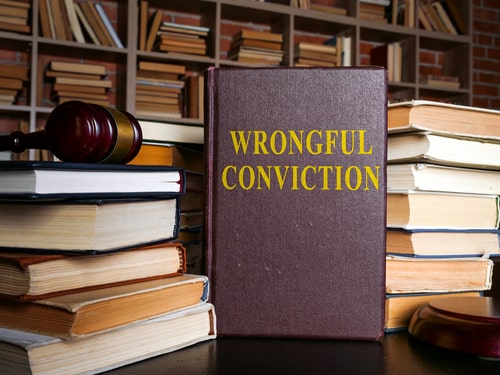 Wrongful convictions are a travesty of justice that can devastate lives and erode public trust in the legal system. Individuals who have been wrongfully convicted have legal options to challenge their convictions and seek exoneration. An Illinois lawyer can guide you through the process of fighting wrongful convictions.
Understanding Your Rights
The first step in fighting a wrongful conviction is understanding your rights under Illinois law. The Illinois Post-Conviction Hearing Act allows individuals who have been convicted of a crime to file a petition challenging their conviction or sentence based on constitutional violations or other legal errors.
Gathering Evidence
To succeed in a post-conviction petition, you must present compelling evidence demonstrating that your conviction or sentence was unfair. This evidence can include new DNA evidence, witness recantations, evidence of prosecutorial misconduct, or ineffective assistance of counsel.
Facing Unlawful Drug Bust Charges
 Being charged with drug offenses can be an overwhelming and frightening experience. Even if you believe the bust was unlawful or the charges are unfair, navigating the legal system is complex. An Illinois criminal defense attorney can guide you through this process and protect your rights.
Get a Lawyer Immediately
The first thing you should do after being charged is hire a criminal defense lawyer. Do not speak to the police or prosecutors without your attorney present. Anything you say can be used against you, even if you believe you have done nothing wrong. A knowledgeable lawyer will handle communications and start building your defense right away.
Understand the Charges
Various drug charges carry diverse penalties under Illinois law. Manufacturing or delivering illegal substances leads to more severe sentences than possession. The amount, the intent to sell, criminal history, and other factors also impact sentencing. Your attorney will explain the exact charges so you understand what you are facing. This allows you to build an appropriate defense focusing on the strongest arguments to get charges reduced or dismissed.
What Are The Consequences of Traffic Violations in Illinois?
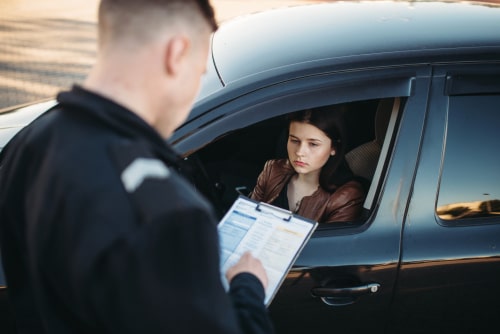 Getting a traffic ticket in Illinois can result in more than just an annoying fine. Traffic violations can lead to increased insurance rates, license suspensions, and even jail time. An Illinois personal injury lawyer can help you determine the potential you may have with your traffic violation.
Fines and Court Costs
Most minor moving violations like speeding, running a red light, or failing to yield will result in fines. You will also have to pay various court costs and fees, which can add substantially to the total cost. The exact fine amount depends on factors like how much over the speed limit you were going. More serious infractions mean steeper fines.
Insurance Rate Increases
Violations like speeding, accidents, DUIs, and other infractions will likely cause your car insurance rates to spike at your next renewal. Insurance providers see those who break traffic laws as higher-risk drivers. State law allows insurance companies to raise rates substantially after moving violations. Some drivers have seen car insurance rate increases of 30% or more after getting a ticket. This financial consequence can last for three to five years after the violation.
Common Myths Around Illinois DUI Traffic Violations
Getting arrested for a DUI traffic offense can be an anxious, overwhelming experience. Normal reactions include shame, fear around penalties, and desperation for the situation to disappear. These emotions allow myths and misconceptions to easily take root. Without accurate legal context, mistaken beliefs warp perspectives on how DUIs work. An Illinois defense lawyer can help you determine your best option.
Fiction: Refusing the Chemical BAC Test Prevents the DUI
Fact: Refusal triggers an automatic 6-month license suspension, providing no advantage.

630-260-9647
From our office in Wheaton, Illinois, we serve clients throughout the Chicago area including but not limited to Winfield, Warrenville, West Chicago, Glen Ellyn, Naperville, Lisle, Downers Grove, Lombard, Oak Brook, DuPage County, Kane County, Will County, and Cook County.

Contact Our Firm
 The use of the Internet or this form for communication with the firm or any individual member of the firm does not establish an attorney-client relationship. Confidential or time-sensitive information should not be sent through this form.
I have read and understand the Disclaimer and Privacy Policy.